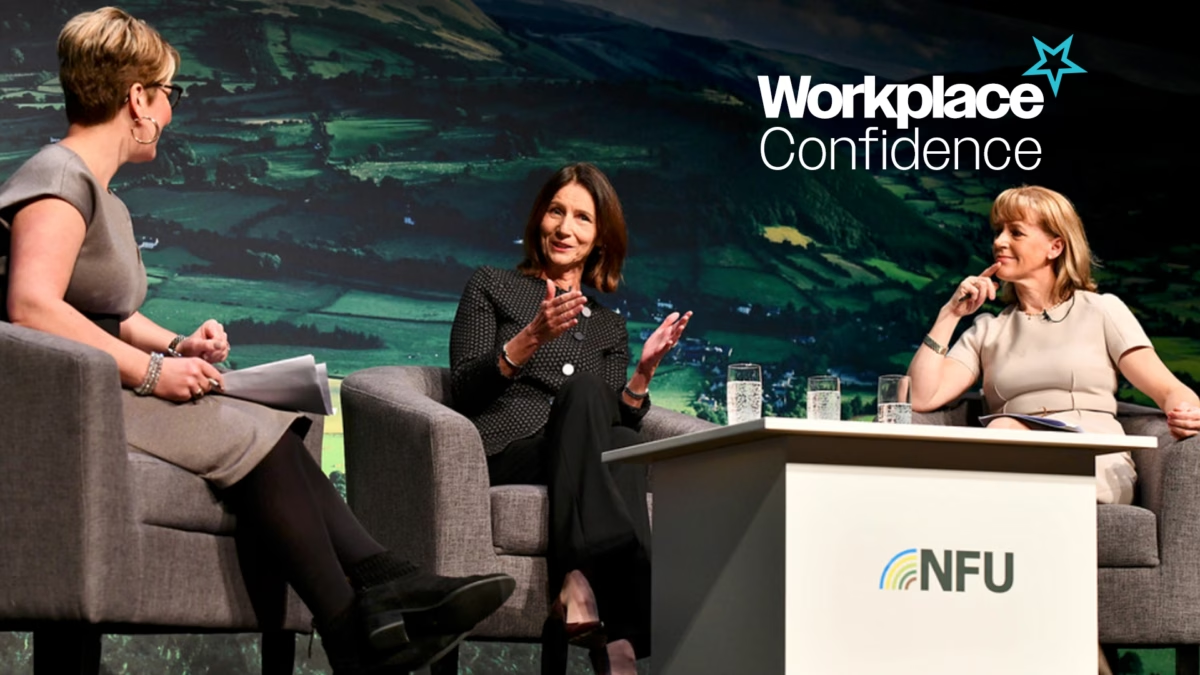
How to moderate a fireside chat with CEOs and senior leaders at corporate events
Quick summary: How to moderate a fireside chat
In this guide, you’ll learn how to prepare and moderate a fireside chat with CEOs and senior leaders at corporate events, creating a natural conversation that serves the audience, handles difficult topics confidently and runs smoothly from opening to close.
Fireside chat coaching - Book a no-obligation discovery call
- What is a fireside chat in business and when should you use one?
- How do you choose the right interviewer or moderator for a fireside chat?
- What should your audience know, do and feel after a fireside chat?
- How do you find out what employees want from a fireside chat?
- How do you prepare a senior leader for a fireside chat interview?
- What is the best fireside chat format, running order and question plan?
- How do you introduce and open a fireside chat with confidence?
- How do you turn fireside chat questions into a natural conversation?
- How do personal details and examples make a fireside chat more engaging?
- How much should a fireside chat moderator talk?
- How do you keep a fireside chat focused and running to time?
- How do you handle difficult topics and bad news in a fireside chat?
- How do you handle audience questions in a fireside chat?
- How do you end a fireside chat interview smoothly?
Fireside chat coaching - Book a no-obligation discovery call
1. What is a fireside chat in business and when should you use one?
A fireside chat is one of those event formats that can look deceptively simple. One person asks the questions, another answers them and everyone else watches. Yet when it is done well, it gives an audience something they rarely get from a formal speech: the chance to see a leader having a proper conversation.
Most business fireside chats are one-to-one interviews. They might take place on a large stage, online or simply at the front of a room. The guest is often a senior leader and the person interviewing them might be another employee, a more junior colleague or an outside professional moderator.
The conversation should feel relatively friendly, but it still needs to give the audience something useful. You might be helping them understand the organisation’s vision, setting the scene for a period of change or giving them information that would be difficult to bring to life in a presentation.
Fireside chats can vary enormously in scale. I’ve seen the founder of Starbucks interviewed in this format on a big stage in Monaco. I’ve also seen a senior private equity leader interview one of the heads of Red Bull Formula One on a much smaller stage in front of a small audience. The surroundings were very different, but the basic idea was the same: create a conversation that helps the audience understand the person and the subject more clearly.
They work particularly well as part of a town hall or employee event. If most people in the organisation rarely hear directly from the person at the top, a fireside chat offers a chance to get to know the “ultimate big boss” as a person, rather than simply seeing their name at the bottom of an email.
They can also be used for external audiences, particularly when an event needs something more conversational than a keynote speech. The format gives the guest room to explain their thinking, share examples and respond to the person in front of them. It should feel like an interesting conversation rather than a list of questions followed by a list of answers.
Most fireside chats last about 30 minutes, although some run longer. You can include audience questions or keep the conversation entirely between the interviewer and the guest. That choice depends on what the session needs to achieve and what will be most useful to the people watching.
The format is simple, but that does not mean you can put two people in front of an audience and hope for the best. Someone still needs to shape the conversation, keep it moving and make sure it delivers something worthwhile. That is where the interviewer or moderator earns their place on the stage.
2. How do you choose the right interviewer or moderator for a fireside chat?
Choose someone who can hold their own with the guest.
That does not mean they need to be equally senior. A junior colleague can conduct an excellent interview, but they must feel entitled to guide the conversation. If they are too intimidated to interrupt, redirect a long answer or bring the session to a close, the fireside chat can quickly become a speech with another person sitting beside it.
I remember being a junior broadcaster, not even feeling like a proper journalist yet, and being sent to interview chief executives, MPs and leaders of large organisations. I worried that they would think I was an idiot or realise I did not fully understand what they were saying.
What helped was recognising that these senior figures were still people. They had not always been the big leader. They had worked things out over time and had plenty of useful experience to share, but that did not make them the be-all and end-all of everything. I brought something too: my own knowledge, fresh eyes and questions they might not have considered.
The right moderator needs that sense of their own place in the conversation. They do not need to dominate, but they must be able to interrupt politely, keep the guest on point and protect the running time.
They also need enough knowledge to ask conversational questions. “How will growth affect capability next year?” sounds like an exam question. “We’re clearly growing in this market. I’m interested in how you think that will affect our capability next year” shows some skin in the game and gives the guest something more natural to respond to.
Most importantly, choose someone who understands that they are working on behalf of the audience. The guest may have the seniority, but the moderator has a job to do. Choose someone who is prepared to do it.
3. What should your audience know, do and feel after a fireside chat?
Before you write a single question, think about the people watching. What do they need from this conversation?
I use three simple pillars of intention: what you want the audience to know, what you want them to do and how you want them to feel. These become the foundation for the interview and help you decide what deserves time on the stage.
Start with what they should know. Perhaps they need to understand the organisation’s goals, the thinking behind a decision or what a period of change will mean for them. Be specific. “We want people to understand the strategy” is far less useful than knowing which part of the strategy they need explained.
Then consider what you want them to do. This might be a practical action, such as having a planned discussion with their manager, completing a form or joining a special interest group on the intranet. It might also be a change in thinking. One client wanted people to consider the organisation’s main goal in everything they did and ask whether their everyday work supported it.
Finally, decide how you want people to feel. Do you want them to feel engaged, able to trust the leader or motivated to approach the organisation’s goals differently?
You do not need to announce these pillars to the audience. They are your internal navigation system. As you plan the conversation, each question should help you move towards at least one of them.
If the audience leaves knowing what you wanted them to know, ready to do what you hoped they would do and feeling what the session needed them to feel, you have conducted a successful fireside chat on your own terms.
Let's Talk - Book a no-obligation discovery call
4. How do you find out what employees want from a fireside chat?
When you are planning an internal fireside chat, it is easy to focus on what the organisation wants the leader to say. The communications team will have its key messages, but that does not necessarily tell you what employees want to hear.
A simple straw poll can help. In the weeks before the interview, speak to a range of people across the organisation, from new recruits to experienced old hands, and ask them: “What is the one thing you would most like to know from this leader?”
You are not promising to ask every question exactly as it was given to you. You are listening for patterns. If the same subject keeps coming up, it probably deserves a place in the conversation.
You can take those themes into your preparation meeting with the leader and their communications team. This gives everyone a chance to discuss what can be covered and how it should be approached.
It also gives you a natural way to introduce the subject on stage. You might say, “I’ve been asking around and this is what people really want to know,” or, “A lot of people in the room are keen to hear about…”
That is much more useful than guessing what matters to the audience. It reminds the leader that they are speaking to real people with genuine questions, and it helps you do your job as their advocate.
5. How do you prepare a senior leader for a fireside chat interview?
Senior leaders are often tight for time, but you need to speak to your guest before the event. Ideally, give yourself half an hour. If diaries make that impossible, even ten minutes is better than meeting properly for the first time on stage.
You do not have to reveal every question. Instead, explain the trajectory of the conversation: “I’m going to start with this, then we’ll move on to that and we’ll finish by talking about this.”
That gives the leader enough information to prepare their thoughts without turning the interview into a rehearsed exchange. Tell them how long the session will last and encourage them to bring examples that make their answers come to life.
A communications manager or director may also be involved. They will know which messages need to be included and whether there are subjects that require careful handling. Use the meeting to establish what can be discussed and how openly it can be approached.
Pay attention to how the leader communicates while you are with them. Do they speak quickly? Are their answers long and expansive? Do they hold back or need encouragement to say more?
Those clues tell you what work you will need to do on the day. One guest may need help staying on point, while another will need thoughtful follow-up questions to draw out a useful answer.
The preparation meeting is not simply a diary formality. It is your first opportunity to understand the person you will be interviewing and work out how to help them give the audience their best.
6.What is the best fireside chat format, running order and question plan?
I strongly believe you should have a script of sorts. Not something you read word for word, but a navigation guide that shows you where the conversation is going.
For most fireside chats, one sheet of paper is enough. Leave plenty of white space. While the guest is answering, you may hear something worth returning to or think of a follow-up question. You need room to make a quick note without losing your place.
- The plan should contain an introduction, questions and timings.
- The moderator should know the trajectory: where the conversation starts, what it moves through and how it finishes.
- Use the opening to tell the audience how long the chat will last, preview the main subjects and explain whether they will be able to ask questions later.
Your guide should help you see the shape of the interview at a glance. Which subjects must not be squeezed out if an earlier answer runs long? Where do you need to be as the session approaches its end?
Whether you keep it on paper or an iPad is entirely up to you. What matters is that it is easy to use while you are listening and does not become a barrier between you and the guest.
Do not walk onto the stage with nothing and expect the interview to go well. A fireside chat should feel relaxed, but relaxed is not the same as unplanned. The audience should hear a natural conversation, but the moderator still needs a clear plan to guide it from the opening question to the close.
7. How do you introduce and open a fireside chat with confidence?
Remember that a fireside chat is a performance. It should feel human and authentic, but you are still hosting a show.
I’ve seen moderators almost sneak onto the stage, sit down and begin asking questions. The audience is left wondering who this person is and what gives them the right to conduct the interview.
Do not make yourself invisible. Think of yourself as the host of a Saturday night television show, without the sparkly jacket and bad jokes.
Look at the audience, or directly into the camera if the event is online, and welcome them. Tell them your name and briefly explain why you are interested in the conversation. Your enthusiasm gives the audience a cue about how they might feel about the session.
Then welcome your guest clearly and confidently before beginning the interview.
You do not need to become a different person or pretend to be more excited than you are. You simply need to show the audience that you are pleased to be there, interested in the subject and ready to lead the conversation.
8. How do you turn fireside chat questions into a natural conversation?
A prepared question is useful, but it should not sound as though you are reading from an exam paper.
Use your script as a navigation guide rather than a questionnaire. Listen properly to the answer and leave yourself enough space to follow up on something interesting. You can make a quick note and return to your planned route afterwards.
Bring some of your own knowledge into the conversation too. A brief observation before the question shows that you understand the subject and have some skin in the game. It also gives the guest something more natural to respond to.
You can include a personal reflection when it is relevant, but keep it brief. The aim is not to compete with the guest or turn the interview towards yourself. You are helping to create the conditions for a more relaxed and revealing answer.
A good fireside chat should feel as though two interested people are exploring a subject together. The preparation gives it direction, while listening makes it a conversation.
9. How do personal details and examples make a fireside chat more engaging?
A small personal detail can give the guest a chance to be themselves before you move into the weightier parts of the conversation.
If you know from LinkedIn or Facebook that they are a keen skier, you might ask what else they enjoy doing on holiday or whether they are competitive on the slopes. If they have recently had a birthday or the company is celebrating an anniversary, you can acknowledge it.
These details are not there to show off your research or take the conversation off course. They soften the edges of what can otherwise become a formal exercise in delivering key messages.
Examples also bring the guest’s answers to life. When you prepare them for the interview, encourage them to think of specific experiences that help explain the point they want to make.
Used well, these moments allow the audience to see more of the person behind the job title while still getting something useful from the conversation.
10. How much should a fireside chat moderator talk?
People often worry about whether they are allowed to say anything about themselves or whether the focus must remain entirely on the guest.
You do not need to make yourself invisible. You have a place on the stage and a right to speak. Otherwise, you risk becoming another person with a lanyard who has been handed an iPad and asked to read out a set of dull questions.
Bring your own knowledge to the conversation. Offer an observation, share a brief personal reflection or explain why an answer has caught your interest. This shows that you are listening and gives the guest something more useful to respond to.
That does not mean competing for the spotlight. Your contribution should help the guest be at their best and make the conversation more valuable to the audience.
Be present, interested and willing to speak. Just remember whose name people came to see.
11. How do you keep a fireside chat focused and running to time?
I’ve worked with one client who wanted to know whether it was acceptable to interrupt the person they were interviewing. They did not want to appear disrespectful. Another knew their guest was likely to go on a bit and worried about how they would keep the session to time.
These concerns often come together. When the person opposite you is the biggest boss in the building, it is easy to sit politely and hope they will bring the answer to a close themselves. Meanwhile, the answer is getting longer, the conversation is drifting off point and your finishing time is disappearing over the horizon.
Use the preparation meeting to notice how your guest communicates. Do they speak quickly and expansively, or do they hold back? This gives you a useful indication of how actively you will need to manage the conversation.
Keep your timings where you can see them and be prepared to step in when an answer becomes too long. You are not interrupting for the sake of it. You are helping the guest remain on point and making sure the audience gets the conversation they were promised.
You also need to manage the ending. Do not wait until the final few seconds and hope a senior leader will somehow realise it is time to leave the stage. Keeping to the interview brief, maintaining focus and finishing on time are all part of your job as moderator.
12. How do you handle difficult topics and bad news in a fireside chat?
If the audience is anxious, angry or worried about the future, you cannot conduct the interview as though none of that is happening.
Read the room well in advance. There may be a legacy of difficult decisions or something unpalatable that the leader needs to explain. It may not be your job to take responsibility for what has happened, but it is your job to work with the leader and the communications team to understand what can be discussed and how it should be approached.
Wherever possible, encourage the leader to address the elephant in the room. Call it out and acknowledge it: “Yes, this is not good. This is what we are doing about it.”
Ignoring the issue will make the rest of the interview ten times worse. People will not be listening to your carefully prepared messages. They will be sitting there fuming or worrying about the subject nobody is willing to mention.
The worst fireside chats are the ones where everyone pays lip service to the leader because they think that is what the leader wants to hear. Nobody is prepared to get their hands dirty with anything difficult, so the conversation feels detached from what people are actually experiencing.
How hard you push also depends on how long the leader has been in place. If they have only recently arrived, it is unreasonable to empty the organisation’s dirty laundry at their feet and expect them to explain every decision that came before them.
That does not mean the difficult subject should disappear from the conversation. A new leader may not know the full history or have every answer, but they can still acknowledge the situation. The audience may understand that somebody new cannot solve everything on the spot. They are less likely to appreciate everyone pretending that the problem does not exist.
13. How do you handle audience questions in a fireside chat?
Audience questions can be the part that makes moderators most nervous. However carefully you have planned the interview, you cannot legislate for who will put their hand up or what they are going to ask.
If you are including questions, tell people at the beginning. Let them know there will be an opportunity to contribute and encourage them to get their thinking caps on while they listen. That is better than springing a Q&A on them at the end and hoping somebody has something useful to say.
Preparation helps here. The conversations you have already had with employees should give you a sense of the subjects likely to come up. Take those themes into your meeting with the leader and their communications team, then discuss what can be addressed and the manner in which it should be handled.
This is not about scripting every answer or protecting the leader from anything uncomfortable. It is about making sure they are not completely unprepared for the concerns sitting in the room.
When the questions begin, stay calm and listen to what is actually being asked. Your job is to help the leader respond to the audience in front of them, not the easier audience everyone might have preferred.
14. How do you end a fireside chat interview smoothly?
Plan the ending in advance. Do not wait until time runs out, glance at your notes and hope the audience realises the conversation is over.
If you have planned a quick recap, bring the main points together briefly. You can also include a clear call to action based on your know, do and feel agenda: what should people remember, what should they do next and how should they leave the session feeling?
If the fireside chat is part of a larger event, deal with any necessary housekeeping. Tell people what is happening next, where they need to go or whether there is a break.
Thank the audience for listening. Then finish by thanking your guest clearly, which gives everyone an obvious cue to applaud.
Let's Talk - Book a no-obligation discovery call
FAQs: How to moderate a fireside chat with CEOs and senior leaders
How should you prepare to moderate a fireside chat?
Meet the guest before the event and explain the conversation’s trajectory, including where it will begin, the subjects it will cover and how it will finish. Agree the duration, discuss any sensitive topics and notice whether the guest tends to give long answers or needs encouragement to say more.
What makes a good fireside chat question?
A good question reflects what the audience genuinely wants to know and gives the guest room to provide a useful answer. Avoid making the interview feel like an exam. A brief observation before a question can demonstrate your knowledge and create a more natural conversation.
How do you keep a senior leader focused and on time?
Keep your timings visible and be prepared to interrupt politely when an answer becomes too long or moves away from the subject. Managing the pace is part of the moderator’s role, regardless of how senior the guest is.
How should a moderator handle difficult topics or bad news?
Discuss likely concerns with the leader and communications team before the event. If the audience is anxious or angry, acknowledge the elephant in the room rather than pretending it does not exist. People will struggle to engage with anything else while an obvious concern remains unaddressed.
How do you end a fireside chat smoothly?
Plan the ending in advance. Give a brief recap or call to action if appropriate, cover any event housekeeping and thank the audience. Finish by thanking the guest.
FREE resources for leaders and people professionals from Penny Haslam and Bit Famous
Share this page
Leadership visibility and influence through confident communication
Read more- Leadership development
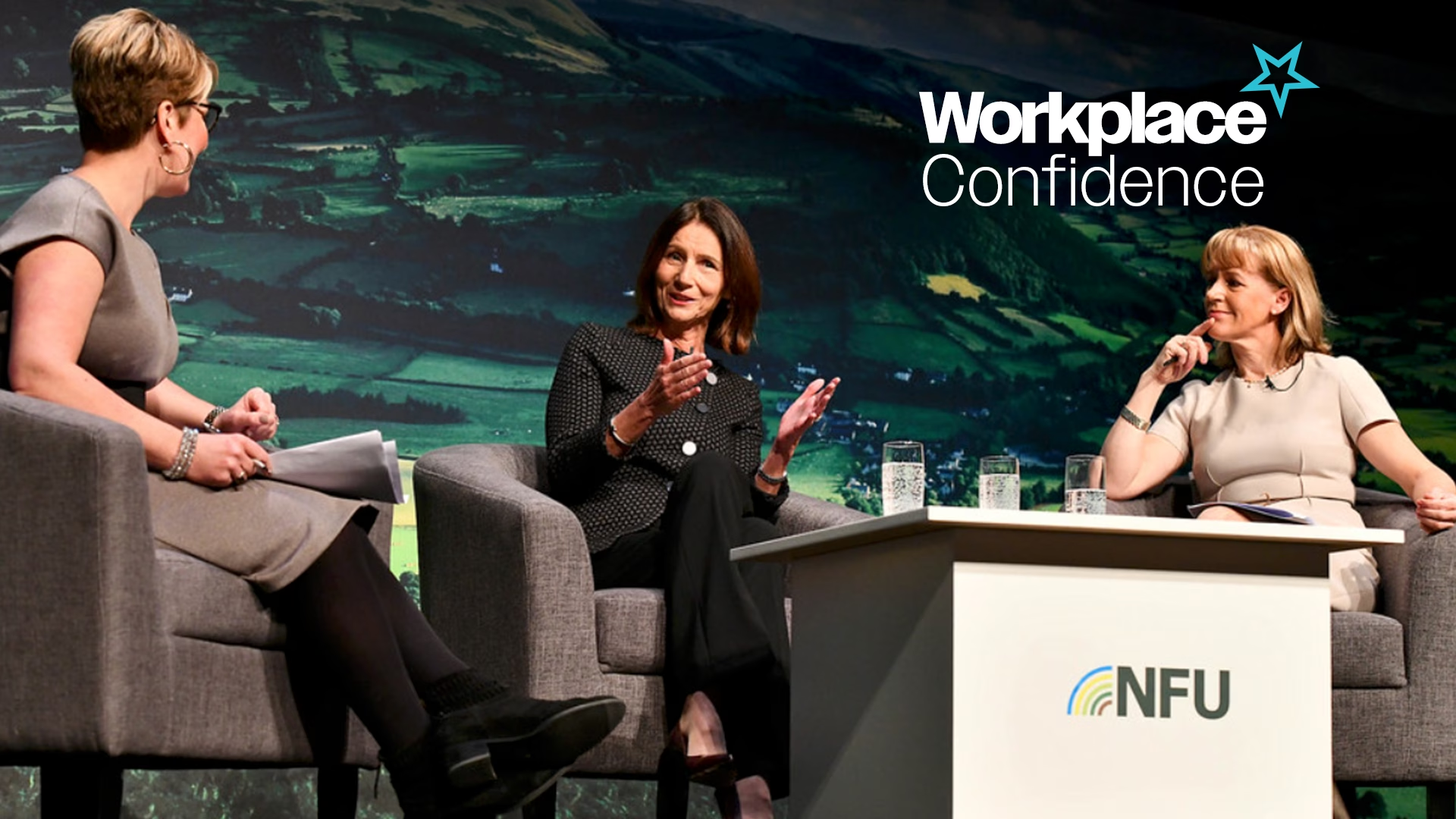
How to moderate a fireside chat with CEOs and senior leaders at corporate events

New leader, old baggage: how to build trust in a troubled organisation

How to help leaders talk about the things that matter in a way that sounds clear, confident and human

Why do I still doubt myself even though I’m a senior leader?
Gender pay gap action plans – what does meaningful action look like?

Gender pay gap action plans: why visibility and strategic confidence are key to success

Why does my team go quiet when I walk into the room?

Communicating upwards: why won’t my message land?

Why aren’t employees engaging in our town hall meetings?

Visible leadership mistakes and how to avoid them

How to give a farewell speech that shows real leadership

Visible leadership: The coffee strategy
5 Warning signs that your team needs executive coaching
How to be better at speaking up in meetings at work

How does coaching work?
Where people professionals share the great work they do!