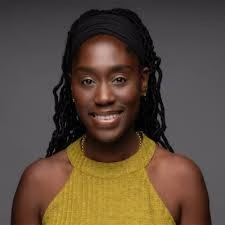
How DEI leaders can uncover barriers to career progression
Episode 16: Workplace Confidence Podcast
Where people professionals share the great work they doHow DEI leaders can uncover barriers to career progression – Nadine Dyer. An employee survey shows lower engagement scores among women than men in part of your business. You can see the gap, but you don’t know what’s behind it. And without that understanding, how do you decide what needs to change?
In this episode, I talk with Nadine Dyer, an Assistant Director at Deloitte who leads on Inclusion within the SRTA business, about how she uses employee listening sessions to uncover barriers to progression and bring those experiences into conversations with senior leaders.
Nadine’s route into inclusion began alongside her job in client feedback, through Deloitte’s multicultural network, where she became co-chair. Her work now centres on helping colleagues feel included and have a fair opportunity to develop, regardless of their background. We explore what that involves in practice, including the connection between fair access to opportunities and confidence at work.
Listen now
Workplace Confidence PodcastListen to all episodes
How can employee listening sessions help identify barriers to career progression?
When engagement survey results showed lower scores among women in part of the business, Nadine organised a listening session to understand their experiences. She asked what work was like for them, which barriers they faced and what could be improved.
Business development was one of the issues raised. Some women described being excluded from traditional networking opportunities, including golf trips and sporting events. That made it harder for them to build the business relationships that can help their careers progress.
“The numbers only tell you part of the story, right?” she says.
When presenting to senior leaders, Nadine includes colleagues’ own words alongside the figures. We discuss how that combination helps leaders understand the experiences behind the scores and gives them something specific to question or change.
How can employers make networking and business development more inclusive?
Following the listening session, Nadine organised a wider discussion about business development involving both men and women. The aim was to raise awareness of the barriers women had described, particularly among those making decisions about opportunities.
We discuss how traditional networking activities don’t work equally well for everyone. I share an example from another industry where women had described the awkwardness of attending client lunches with older male clients. We also consider how after-work events can exclude people with caring responsibilities or those who don’t drink alcohol.
Nadine describes practical alternatives, including breakfast events, bringing junior women into important meetings and making introductions. These are decisions that can make a difference to who gets the chance to build valuable business relationships.
She also recognises that the people attending inclusion discussions often already understand the issue. The next challenge is getting those conversations into other rooms, where colleagues can question why the same people keep being offered opportunities.
Why does fair access to opportunities affect confidence at work?
Being overlooked for a project, waiting for a promised promotion or receiving a low review score without clear feedback can leave someone questioning their ability. Nadine connects those experiences with whether people feel included, understood and fairly treated.
We met when I spoke at a Deloitte event about becoming more visible at work. Some of the women I spoke to afterwards liked the idea of putting themselves forward but said it wasn’t in their nature or part of their culture.
Nadine believes confidence isn’t something you’re simply born with. It’s a skill you can develop through preparation, practice and having the courage to act despite self-doubt.
She talks about her experience of Toastmasters and how becoming more comfortable speaking and sharing ideas helped her develop confidence. She also gives herself permission to learn as she goes.
“If it’s not 100% how I thought it would go, I can learn from it and get better.”
That leaves work for both the individual and the organisation: practising how to put yourself forward, while examining whether everyone has a fair chance to be seen and heard.
Why should DEI leaders look at different ethnic groups’ progression separately?
Nadine also shares her experience of leading work focused on Black colleagues across Deloitte’s UK firm. She explains how grouping ethnicities together can conceal important differences in people’s experiences and career progression.
Deloitte’s data showed that while the firm was successful at recruiting Black colleagues, their progression had stagnated. Nadine recalls a powerful firm-wide listening session in 2020, when Black colleagues shared their experiences of life in the UK, including incidents of being stopped by the police.
Some senior leaders were shocked by what they heard. For Nadine, it demonstrated how hearing directly from colleagues can help people understand experiences they may never have encountered themselves.
Her subsequent year leading work on the Black experience focused on governance and establishing a clear structure across the firm. She describes how the work has continued through monthly discussions involving senior leaders and partners, including scrutiny of targets that haven’t yet been met.
Nadine sees part of her role as being willing to ask difficult questions: “We need to be doing more. We could be doing better.”
For Nadine, keeping inclusion on the agenda means returning to those questions long after a listening session has finished. She describes the challenge of changing systems and behaviours that have existed for decades, and the importance of recognising progress even when it happens slowly.
What keeps her going is hearing directly from colleagues that something she’s helped put in place has made a difference to them.
More episodes

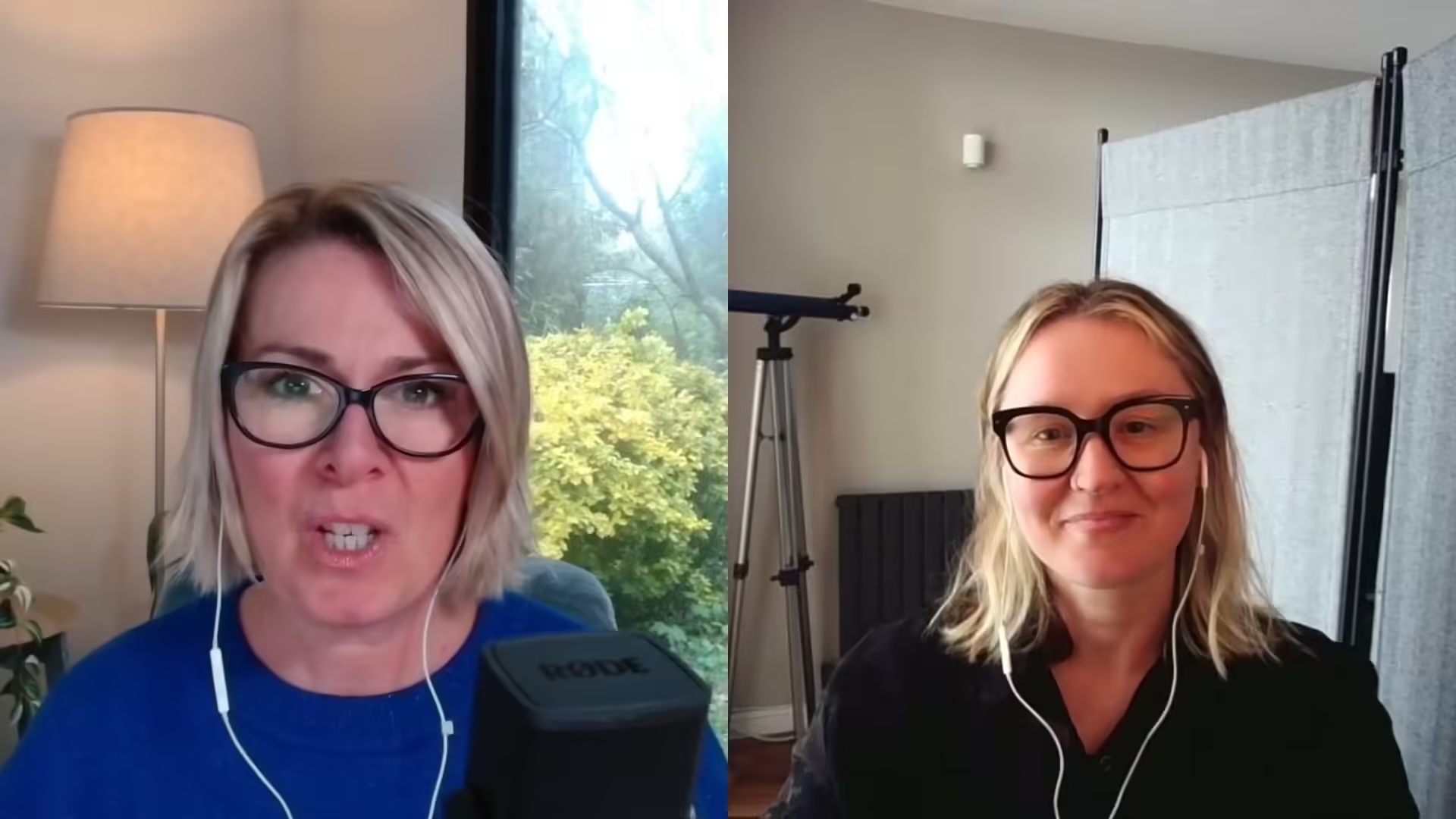



Transcript: How DEI leaders can uncover barriers to career progression – Nadine Dyer
Penny (00:04.014)
So Nadine, just describe what your role at Deloitte involves. Day to day, month to month, year to year. What are you trying to achieve and how are you getting there?
Nadine Dyer (00:15.058)
I guess in a sentence, my role is to make sure everyone in our business feels included, has a fair opportunity to progress and develop and be their best selves, regardless of their background. That's my mission, in a nutshell.
Penny (00:34.318)
And what does fair opportunity mean for the work that you do? How do you achieve that?
Nadine Dyer (00:42.502)
This is a difficult one and one that I think is it's an ongoing challenge to make sure, cause we're humans, right? And we all have bias and we sometimes are drawn to people who are like us and that's natural and that's normal. But it's raising the awareness to make sure that everyone is being seen, being heard. And when you allow people to be seen and be heard, you hear
what their experiences are like. And then we start to take action from what we've heard to make their experiences better for them.
Penny (01:22.744)
So put some practical flesh on the bones for me. What sort of action does that entail and what are you doing? know, like, so yes, brilliant idea is great. What are you doing to do that? What advice can you give to listeners who perhaps want to achieve similar? have you got a recent example of something that you've done, you've gone right? Yeah, that really helps shine a light on that particular lived experience or that challenge or that barrier or that, you know, understanding of something.
what have you recently enjoyed working on as well?
Nadine Dyer (01:56.594)
One of my recent projects, so we know that within the corporate world in general, our female senior leaders, the numbers are not there.
We're not there, there's still work to do. And one of the things that I done recently was a female listening session across a part of our business. it was and it was flagged from our employee engagement survey. The numbers are quite low compared to our males. So I wanted to dig a bit deeper to find out, well, what's going on for our female colleagues?
them more that we could be doing. So it was an open kind of session for them to just share, you know, what's work like for you? What are the barriers that you're facing? You know, how can things be improved for you? And that's where we got a lot of insight into what their experiences are like. And off the back of that, we have implemented a session around, well, we're calling it All About Series.
So things that came up was things was like that was about business development, but they felt like business event was different for females Compared to their male counterparts
Penny (03:20.854)
In what way? What was this being said? I mean, honestly, this is not just a Deloitte experience either, is it? This is something that is happening in all sorts of corporations. But give me a flavour of what the kind of conversations around that talking point about business development was. What are the sticking points?
Nadine Dyer (03:28.772)
Exactly. Yes.
Nadine Dyer (03:37.646)
Yeah, so some females shared that the networking and the business development piece was not as easy for them.
events where it's you know golf trip or some kind of sporting event sometimes they're excluded and I wasn't really aware until they said no this is still happening because I thought that you know those days are gone but it still seems to be the case that you know building those relationships are a bit difficult and I wouldn't just say it's just for females I would say for underrepresented groups or those people who are not in those you know the dominant population within the senior ranks
of organisations. Yeah, it can be challenging for individuals.
Penny (04:31.234)
Yeah. So you've set up the female listening sessions. You had your ears to the ground and your eyes open to these challenges on that kind of granular level. I mean, I had a similar conversation with a, in a different industry. They were saying that going for lunches, boozy lunches sometimes with clients isn't something that a lot of the women want to get involved in, especially if the client is an older male.
Nadine Dyer (04:50.578)
Mmm.
Nadine Dyer (04:58.232)
Exactly.
Penny (04:58.478)
or a bloke, just generally a bloke. So how would you make that connection without it feeling like a date, and opening yourself up to sort of awkwardness? Tricky, isn't it? When everyone else, culture, seems to be getting along with this, this is how we do things. We go for golf, we go for boozy lunches. It's great. Why aren't you doing it? Why aren't you fitting into the system and the culture? So you heard all of this.
Nadine Dyer (05:01.999)
Yes.
Nadine Dyer (05:16.955)
Yeah.
Nadine Dyer (05:26.353)
Yes.
Penny (05:26.87)
And then what was the action taken? What was keeping you busy on this and how are you moving along?
Nadine Dyer (05:33.969)
Yeah.
I mean, it's, I think it's not just one thing. It's a cultural change, right? But I think having our session, we had a session all about business development where we spoke about this and it wasn't just to females. was males and females hearing, you know, this is what, this is what's being said. This is what our female experiences are. What can we do to, you know, make this better for everyone and be more inclusive? So it's about raising awareness.
especially amongst our senior leaders and those people that are making the key decisions.
for example, project managers bringing along their younger or more junior female staff along to important meetings and making those introductions. Having breakfasts, making it more inclusive for all, because not everyone wants to do after work, or not everybody drinks, right? So it's just making, yes. Exactly.
Penny (06:37.484)
Right, and caring responsibilities often fall to, yeah, the women. Yeah, so, yeah, it's something that happens across the board, right? And it's, how did that go down then with the male allies who turned up to listen? Would they kind of had their eyes open as well?
Nadine Dyer (06:55.078)
think they had their eyes open. I think some people didn't realise it's still happening. And I guess the thing is, what happens is those people that join these kind of calls, they kind of get it already or they're on board. So it's just getting that message out to others. Because usually the people that do join the calls, yeah, they're already, they get inclusion to some extent.
Penny (07:20.962)
Yeah, you see preaching to the converted in a way. Yeah.
Nadine Dyer (07:22.412)
Exactly, that's exactly the phrase that I was looking for, Penny. Exactly. But I think just slowly, you know, bringing the awareness, hopefully it will see some change. you know, those individuals, they can call it out, you know, to their peers to say, well, what about X and what about Y instead of just going to the same individuals all the time.
Penny (07:45.039)
And the power of hearing lived experience is not to be sniffed at. think there's something that travels really well when people are hearing lived experience challenges. They're then more easily repeated in different conversations and at different meetings. And it's something I've picked up on that's really useful at top level is to keep bringing lived experience stories to the table to show how things are.
difficult or easy for some people, regardless of the topic, as well as the numbers. So the employee engagement numbers are interesting, but let's bring it to life with the stories and that combination. Have you found that has been more effective than just going, we need to change this?
Nadine Dyer (08:21.871)
No, no.
Nadine Dyer (08:28.78)
yeah, exactly, exactly. The numbers only tell you part of the story, right? I think when you hear... And I always put quotes on my presentations and decks when I'm going to senior leaders, say, this is what people said, and, you know, word for word. And I think it just brings it to life. And I think that's part of my role is to...
hear what people are saying, bring it to the table, bring it to those senior leaders who are making these key decisions, go well this is what's really happening on the ground, know, what are we going to do to make a difference? But I think when you hear people's lived experience it makes you more empathetic, it makes it real, and you know, exactly, no, no, exactly, yeah.
Penny (09:14.286)
You can't shy away from it, can you? You can't kind of turn that story off in your head. Yeah. So this, of course, is the Workplace Confidence podcast. So the question of confidence around these issues has to be asked. Did anyone in those listening sessions mention that? I mean, there's displaying confidence, right? And that's probably...
dominant cultures way of spotting each other and noticing each other at networking at lunches or in meetings and chatting and how you know displaying it but when you have this kind of constant headwind I suppose of things are different to how you might see them done or your lived experience is not as rosy as the other people's do you see that sort of affecting people's sense of self-belief
Nadine Dyer (09:58.523)
Goooo
Penny (10:04.556)
and ability to thrive in an organisation, does that go hand in hand with fair opportunity as well, having fair confidence?
Nadine Dyer (10:13.03)
Yes, think that is a fair... Yeah, no, it is nice.
Penny (10:15.584)
Sorry, it's a big question. It went on a bit.
Nadine Dyer (10:20.248)
No, but I think you're so right, know, inclusion and that confidence piece and feeling included, feeling that you belong and that things are fair does affect, you know, people's confidence. And I think, you know, we, know, human beings, regardless of who we are, we all have experience having our confidence knocked in some way, shape or form. And in the workplace, that could be you're not being chosen for project or you're not getting that promotion that was promised to you.
for the past two years, getting a low score at the year end and not understanding why, not being given honest feedback, tangible feedback, and not being seen or understood. And I think confidence is one of those qualities that people often think you have or you don't have. But then in my opinion, I think in my personal lived experience, think confidence is a skill that can be developed.
over time, it's not, and it evolves, I think. It's about, you know, trusting yourself, even when the outcome is sometimes you're not sure, it's uncertain, and having courage. I think having courage, being willing to act.
despite fear or self doubt. Having a realistic view of your strengths and limitations and knowing what your setbacks don't define your worth, think. For me, this is about.
Penny (11:55.811)
And of course we met when I was presenting the ideas around make yourself a little bit famous, one of my keynote talks at the SRTA. And of course I've instantly forgotten what SRTA stands for. It was an event you put on, wasn't it?
Nadine Dyer (12:14.854)
Yes, so SRTA is Strategy Risk Transactions Advisory on the Bob businesses. Yes.
Penny (12:20.686)
brilliant. So it's a segment of the Deloitte offering, isn't it? And that was for a group of around 80 women who were being encouraged to make themselves more visible, intentionally getting known for something. Brilliant. A lot of the people I spoke to at the lunch were saying, wow, this is great. And I can do this. It's just not in my nature. It's not part of my culture to do this.
Nadine Dyer (12:34.618)
Yes.
Nadine Dyer (12:43.494)
Love you.
Penny (12:46.926)
Do you think that has a thread back to that self-belief piece and that resilience piece? Because you are a brilliant role model for, right, okay, shoulders back, let's get on with it, throw yourself into it, call it out. It's not within everyone's gift to do that, especially if they're more junior, of course. What advice would you have for those colleagues who perhaps are a bit like, I'm not sure that I could do this?
Nadine Dyer (13:04.251)
Mmm.
Nadine Dyer (13:10.546)
Well, I think, you know, many confident people still have anxiety before presentations and still have nerves and might come across as very confident but inside they're not feeling as confident. But for me, I think it's about, you know, being prepared, knowing that you've done the work and practicing.
Penny (13:15.852)
Yeah.
Nadine Dyer (13:32.038)
I think practicing is very important. think that, you know, I joined Toastmasters many years ago. was involved just doing the practice of speaking. That helps your confidence. Evidence.
Penny (13:47.715)
And not just speaking for presentation's sake, it's more like getting fluent with your own voice and being able to articulate your ideas vocally, articulate vocally, you know what I mean? And sort of being more fluent with how you say things. And I guess your experience going out, networking, building relationships as an estate agent, you know what I mean? And in customer service and client feedback, and then as the co-chair.
Nadine Dyer (13:55.09)
All
Yes.
Nadine Dyer (14:10.716)
Mmm.
Penny (14:15.63)
of the ERG, the Employee Resource Group for multicultural employees, it must have sort of helped you build that confidence around how you present your ideas and being heard, you know, that's a fundamental thing, isn't it? So, okay, so Toastmasters, great place to practice that for sure. Yeah, sorry, I kind of jumped on Toastmasters like, yeah, that's great, but it's not just about presentations, is it?
Nadine Dyer (14:19.441)
Yeah.
Nadine Dyer (14:26.822)
Well, definitely.
Nadine Dyer (14:34.044)
Definitely.
Nadine Dyer (14:38.513)
Yes.
Nadine Dyer (14:44.21)
No, you're right. Yeah, no, and you're right, Penny. think the more you do, as you said, the better it gets, the more confidence you have in yourself. Then you start building your own credibility and then people start having, you know, people have confidence in you and start, you know, it kind of snowballs, I think. But just having the, yes, yeah. But I think just having the courage, just get started. Sometimes people want everything to be 100%, but just, just do it.
Penny (15:02.254)
Snowballs, nice, yeah.
Nadine Dyer (15:13.97)
And I think one of the things I always say to myself is, you know, I'll learn from it. If it's not 100 % how I thought it would go, I can learn from it and get better. Yeah, exactly. Get better next time.
Penny (15:23.02)
What are the learnings? Yeah, yeah. You had an exciting, I'd say exciting and amazing opportunity recently, didn't you? Largely to do with the experience of black colleagues at Deloitte. Tell me about that because that will have, I don't know, undoubtedly boosted your own confidence, right? But hopefully helps that fair opportunity angle.
for black colleagues. Tell me about the distinction. Tell me about the work that you did there.
Nadine Dyer (15:56.572)
Sure, sure. about two years ago now, following on from 2020, George Floyd, the horrific murder of George Floyd happened. Across all organisations, was, the focus was on the black community.
And, you know, Deloitte put forward a Black Action Plan, you know, was very focused on how we can support, make sure that our Black colleagues were getting the fair and equal opportunity to progress within the firm. But around two years ago, our People and Purpose partner, Jackie Henry, reached out to me and said, oh, you know, could you lead on the Black experience across the UK firm? And I mean, I was honoured to be even asked and it was a privilege to lead on it.
And for me it was, people were like, why have you got a specific thing for your colleagues?
Penny (16:54.114)
Yeah, black and minority ethnic, what happened to that? And tell us about it. Yeah.
Nadine Dyer (16:59.602)
you
Yes, yes. So the BAME term, Black Asian, yeah, think that the term has kind of dissolved, I would say, since 2020. And I think most organisations realise that you cannot lump all ethnicities together. The experience of a male Asian is going to be very different to that of a Black female, right? So I think you do, our data needs to be separate. You need to look at
Penny (17:04.917)
Asian and minority ethnic, yeah.
Nadine Dyer (17:30.202)
each group differently.
Penny (17:34.378)
the headlines about that though? When you're discussing this with senior leaders who perhaps haven't ever stopped to think about the nuance, the difference, how do you describe it, describe the reason for looking at a black colleague experience as opposed to black Asian and minority ethnic experience? In the old school money phrase.
Nadine Dyer (17:42.032)
Mm. Mm.
Nadine Dyer (17:53.274)
Yeah, I think the first thing is the data. The data said it all. When you looked at, we were great in bringing people in, but then when you look at the progression of our black colleagues, you go, well, why is it stagnated? All the other races seem to go ahead.
Going back to what we discussing before Penny in the podcast about lived experiences and conversations, one of the things that I've done as the co-chair of our network, we had a listening session back in 2020 with the George Floyd stuff. So we had a firm wide session where we had black colleagues just talk about just being black in the UK. And I think that was one of the most
what's the word, I won't say life-changing, it felt like that for me at the time because after that call, I had partners emailing me going, oh my God, I didn't know, oh my God, wow, this was amazing.
Penny (18:59.678)
Like what? Tell me what they were wowing and this is amazing at. What didn't they know?
Nadine Dyer (19:02.866)
I had no idea that colleagues go through this. Because even my co-chair, Jim, at the time, he was saying that he got stopped by the police and things that happen outside of the workplace but still affect people. So I think hearing it, know, roar from individuals where people were just were actually crying. Yeah.
Penny (19:07.416)
Like what?
Penny (19:24.556)
from colleagues, from Deloitte colleagues, yeah.
Nadine Dyer (19:26.672)
Right, yes, it made it very real and people understood, okay, there is definitely a difference in experiences, but you don't know what you don't know, right? People don't know, you don't know what you don't know. So I think just sharing the colleagues that were so brave enough to share their experiences really helped, especially our senior leaders go, well, this is, yeah, something that will work. Exactly, yes.
Penny (19:38.552)
Mm.
Penny (19:49.23)
Okay.
and maybe helping them educate them in their own biases.
Nadine Dyer (19:57.038)
Indeed, indeed. So I think it from the lived experiences, the sharing and then the data, which is saying that there's something going on, that is hence the reason for the focus on our black colleagues.
Penny (20:13.282)
Yeah. And when you say there's something going on, what is that something? Just pin it down for listeners.
Nadine Dyer (20:18.18)
Yeah and I don't know if it can be pinned down. I think there is, it's, I don't know if there's this underlying current that it, there's still work to be done. Yeah.
Penny (20:35.32)
So old tropes. So an Asian man must have done well at university. Bias. Must be good. Must, you know, those sort of racial stereotyping.
Nadine Dyer (20:42.29)
We will, yes.
Yes, I mean there is, I think we all have biases as humans right, it's natural but I think it's making people aware of them and saying okay what about so and so being on the project and making sure it's fair, it's equal and not just going back to who you always use on the project. Exactly, yes.
Penny (21:08.472)
who you always know back to your original idea of like, just hang out with who we know and we look like.
Nadine Dyer (21:14.329)
Exactly, exactly.
Penny (21:16.482)
And what did you take from your experience of being that lead for that project? It lasted a year, I think, didn't it?
Nadine Dyer (21:22.522)
Yes, it lasted a year. mean, my role was just make, was more around governance, making sure that we had a clear structure across the firm and that it was front and centre.
of what we are doing. till today, actually, I had a call today was talking about it. So we have monthly calls, we have senior leaders, partners involved, and it's BAU now. It's not just a side project, it's business as usual. So I'm really proud to fill it up.
Penny (21:55.939)
Right.
Nadine Dyer (21:57.51)
be a part of it and see it continue to thrive and for us to challenge ourselves to go, okay, well, this is not working. What else, what more do we need to be doing to move the dial and to hold the mirror up and say, okay, we put these targets in place. We haven't yet met them. What are we doing? You know, I see myself as a trusted advisor and a trusted friend when it comes to inclusion to say, you know,
We need to be doing more. We could be doing better. What about? And just asking the difficult questions that sometimes people don't want to say. I will say it. Yes.
Penny (22:36.312)
You're happy to ask a difficult question. Good. I'm really pleased to hear that Nadine. It's slow work in D &I, isn't it? Let's face it. I mean, ideally you'd do yourself out of a job, but that's not going to happen anytime soon. What sort of helps keep you motivated and what's next for you?
Nadine Dyer (22:46.095)
it is.
Penny (22:59.598)
or are you allowed, you are not allowed to say, because you're not meant to in big corporates. I actually want to do something completely different. No, you can't say it. Sorry. So like, what's next? But you know, what motivates you? What advice would you give to anyone in this space who's wanting to keep their own resilience up and their own confidence up around this difficult, challenging, you know, topic?
Nadine Dyer (23:11.388)
Yeah.
Nadine Dyer (23:22.685)
I think what keeps me motivated is a deep belief in fairness, equity and creating opportunities for other people to succeed. I feel like when other people succeed and I'm winning too. And I don't know that goes back to my customer caring days where I just want to help folk.
and for it to be in equal playing field, really. As you said, D &I work, it does feel like a slow burn because you're trying to influence systems, behaviors, and cultures that have existed for decades. And you're coming along trying to tweak or change things. And that's very difficult. we know that work is not always immediate. You don't see it straight away. And it can be challenging.
But I remind myself that I'm building on the work of those who came before me. know, people who have paved the way already for greater equality and inclusion when it comes to females and ethnic minorities. I'm building on that. So I do feel a sense of responsibility to continue that progress in whatever way I can. And sometimes it's not always huge and it's little bits by bit, but I'm doing what I can to improve that agenda. And I think looking back,
You know, that's always been my kind of mindset and my career as I said from my customer service roles You know empathy helping people seeing people's individuals You know, we all have our own stories. We all have our own journeys and challenges But I think what also keeps me going is when I get you know have those one-to-one conversations with individuals to say that intervention really helped That's made a difference That keeps me going
as well I would say. Do they answer the whole question Penny? There was another part of the question I missed.
Penny (25:17.728)
Nadine Dyer, thanks very much.

Finalist
Personnel Today
Learning and Development Supplier of the Year
2025
Finalist
Personnel Today
Learning and Development Supplier of the Year
2024
Finalist
Business Book Awards
Short Business Book
of the Year
2023
Finalist
Lloyds Bank Business Excellence Awards
Business Enabler
of the Year
2022